- +918826781614
- info@thedentalhome.in

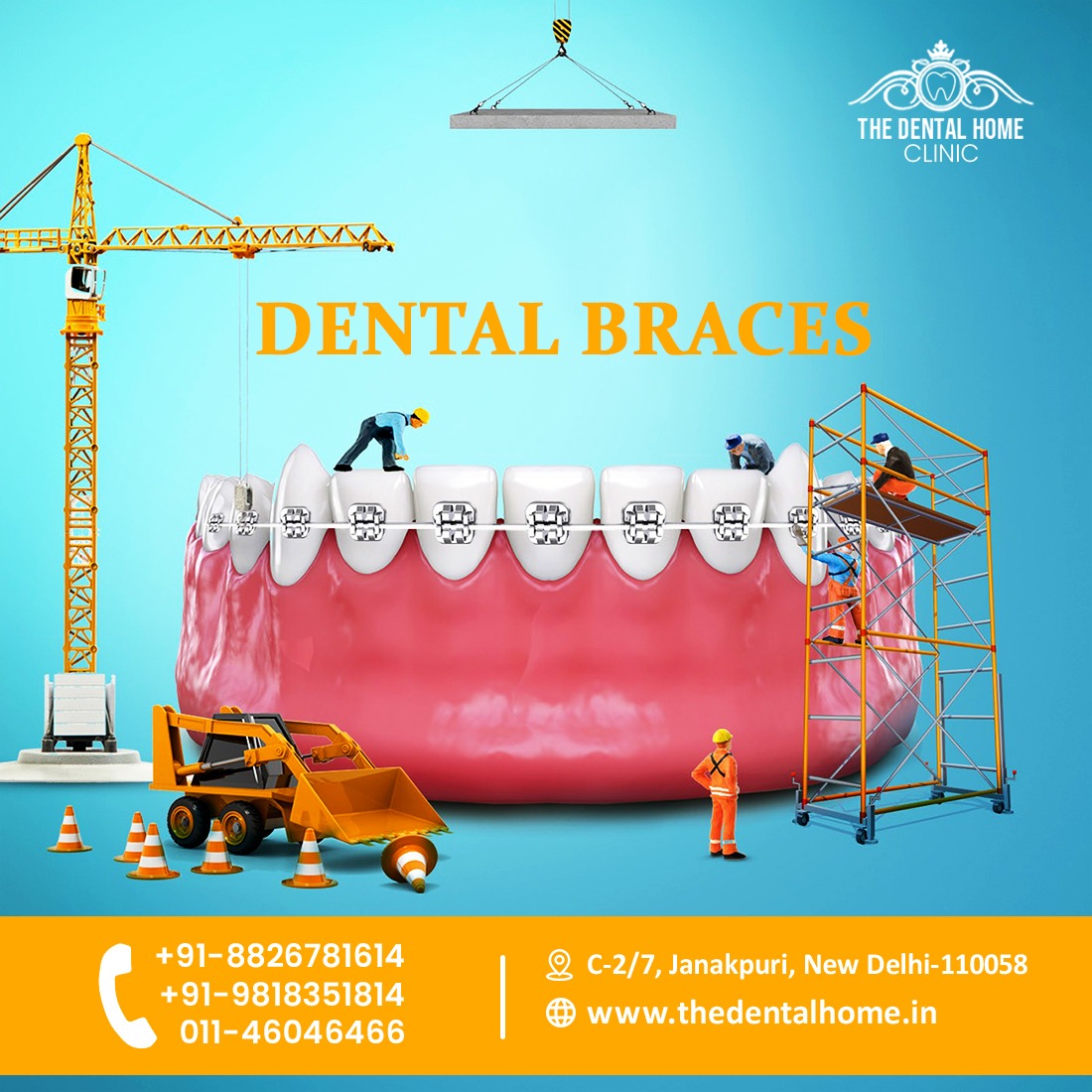
You avoid smiling in photographs, cover your teeth while talking, or hesitate to correct your crooked teeth because you are unsure whether braces are worth the effort. Many people think orthodontic treatment is only about appearance, but properly aligned teeth also support better oral hygiene, comfortable chewing, and long-term dental health.
Choosing braces is a personal decision, and the right treatment depends on your dental condition, lifestyle, and expectations. With several options available today, understanding the process can help you select a solution that fits your needs. Every smile has different alignment needs, which is why choosing the right orthodontic approach starts with a detailed evaluation of your teeth, bite, and overall oral health. A personalised treatment plan helps ensure that the selected solution supports both your smile goals and long-term dental wellness.
Braces are commonly used to correct issues such as crowded teeth, gaps between teeth, bite problems, and misalignment. When teeth are not properly positioned, cleaning certain areas can become difficult, increasing the risk of plaque buildup and gum-related concerns.
Orthodontic treatment works by applying controlled pressure to gradually move teeth into better alignment. The process requires patience, but the goal is to create a healthier and more balanced smile.
Many people associate braces only with teenagers, but adults are also increasingly choosing orthodontic solutions to improve their confidence and dental function.
Modern dentistry offers multiple options depending on the patient’s needs and preferences.
Metal braces remain one of the most commonly used options because they are effective for treating a wide range of alignment problems. They are durable and suitable for many complex cases.
Ceramic braces work similarly to traditional braces but use tooth-coloured materials, making them less noticeable. They are often preferred by people who want a more discreet option.
Clear aligners are removable trays designed to gradually shift teeth into position. They are popular among adults who prefer a less visible approach and want more flexibility during daily activities.
The right choice depends on factors such as the severity of misalignment, treatment goals, and professional evaluation.
Braces treatment is not just about attaching brackets or providing aligners. Proper planning is essential for achieving stable and healthy results.
Before starting treatment, a dental professional should evaluate your teeth alignment, bite pattern, jaw relationship, and overall oral condition. A detailed treatment plan helps avoid unnecessary complications and ensures realistic expectations.
At The Dental Home Clinic, we focus on understanding each patient’s dental requirements before recommending orthodontic solutions. Our approach involves explaining available options clearly so patients can make informed decisions.
A common misconception is that the best braces are always the least visible ones. While appearance is important, it should not be the only deciding factor.
A discreet treatment option may not always be the most suitable choice for every dental condition. In some cases, a traditional approach may provide better control and more predictable results.
The right question is not “Which braces look the best?” but “Which treatment option is best suited for my teeth and long-term oral health?”
Before committing to orthodontic treatment, consider:
The experience and approach of the dental professional
The type of braces recommended for your condition
Expected treatment duration
Follow-up requirements
Oral hygiene instructions during treatment
Long-term maintenance after braces removal
Patients should feel comfortable asking questions before beginning treatment. Understanding the complete process reduces uncertainty and helps create a smoother experience.
More people are becoming aware of the benefits of orthodontic treatment beyond cosmetic improvement. According to the American Association of Orthodontists, millions of people worldwide receive orthodontic treatment each year, including a growing number of adults seeking smile correction.
This growing interest shows that braces are no longer viewed only as a teenage dental procedure. People of different age groups are exploring options that support both confidence and oral health.
The duration of braces treatment varies from person to person. Factors such as the level of teeth misalignment, age, treatment method, and how well patients follow dental instructions can affect the timeline.
Some cases may require shorter treatment periods, while more complex alignment issues may take longer. A proper consultation helps provide a more realistic estimate based on individual needs.
Braces can be considered at different ages depending on dental development and individual requirements. Many people start during teenage years, but adults can also benefit from orthodontic treatment.
Patients may experience mild discomfort when braces are placed or adjusted, but this usually reduces as they get used to the treatment.
The ideal option depends on your dental condition, lifestyle preferences, and treatment goals. A professional evaluation is necessary before selecting braces.
Braces treatment is an investment in your dental health and confidence. The right approach focuses on creating results that are not only attractive but also functional and long-lasting.
If you are searching for the Best Braces Treatment in West Delhi, consult our dental experts for personalised orthodontic guidance, suitable treatment options, and a comfortable care experience. Get in touch with The Dental Home Clinic today to schedule your consultation and take the first step towards achieving a healthier, more confident smile.
Meta Description: Looking for the Best Braces Treatment in West Delhi? Learn about braces options, benefits, treatment planning, and choosing the right dental care.
| Tags: | #Best Braces Treatment in Sarita vihar, # Best Braces Treatment in Chirag Delhi, # Best Braces Treatment in Saket, # Best Braces Treatment in Pancsheel Park |

 WhatsApp Us
 Get Direction